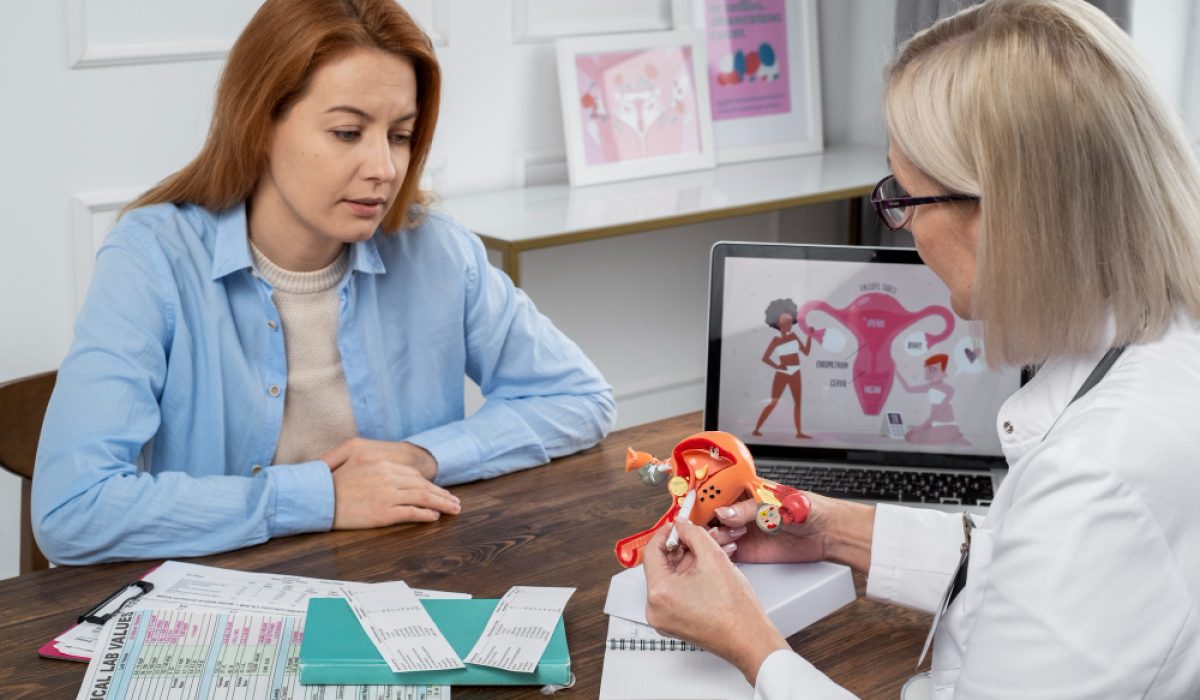
What is Endometrial Cancer?
Endometrial cancer is a type of cancer that starts in the lining of the uterus, called the endometrium. This cancer is one of the most common cancers affecting women, especially after menopause. According to the CDC, endometrial cancer is more common in women over 50. However, it can also occur in younger women. Early detection is important because treatment works best in the early stages.
Common Symptoms
Recognizing the symptoms of endometrial cancer can help with early diagnosis. Often, symptoms appear early, which makes this cancer easier to detect than some others. If you notice any of the following signs, you should talk to your doctor:
Sometimes, these symptoms may be caused by other conditions. Still, it is important to get checked by a healthcare provider.
Major Causes and Risk Factors
While the exact cause of endometrial cancer is not always clear, several risk factors can increase your chances. Knowing these can help you take steps to lower your risk. Here are some common risk factors:
Additionally, some lifestyle choices can affect your risk. For example, a lack of physical activity or a diet high in fat may increase your chances. The American Cancer Society notes that hormone changes play a big role in this cancer.
Diagnosis Methods
Doctors use several methods to diagnose endometrial cancer. Early diagnosis can lead to better treatment results. If you have symptoms, your doctor may suggest these tests:
After diagnosis, doctors may order more tests to see if the cancer has spread. These can include blood tests, CT scans, or MRI scans.
Treatment Options
Treatment for endometrial cancer depends on the stage and your overall health. Most women receive more than one type of treatment. Common options include:
Your doctor will discuss the best plan for you. In many cases, surgery is the first step. However, other treatments may be used before or after surgery.
Prevention and Lifestyle Tips
While you cannot prevent all cases of endometrial cancer, you can lower your risk. Here are some helpful tips:
Furthermore, regular check-ups can help catch problems early. The World Health Organization recommends routine health screenings for women, especially after menopause.
When to See a Doctor
If you notice any symptoms of endometrial cancer, do not wait. Early action can make a big difference. Even if you are not sure, it is better to ask your healthcare provider. They can guide you on the next steps and help you stay healthy.
Remember: For personalized advice and care, always consult a healthcare specialist. Your doctor can answer your questions and help you make the best choices for your health.