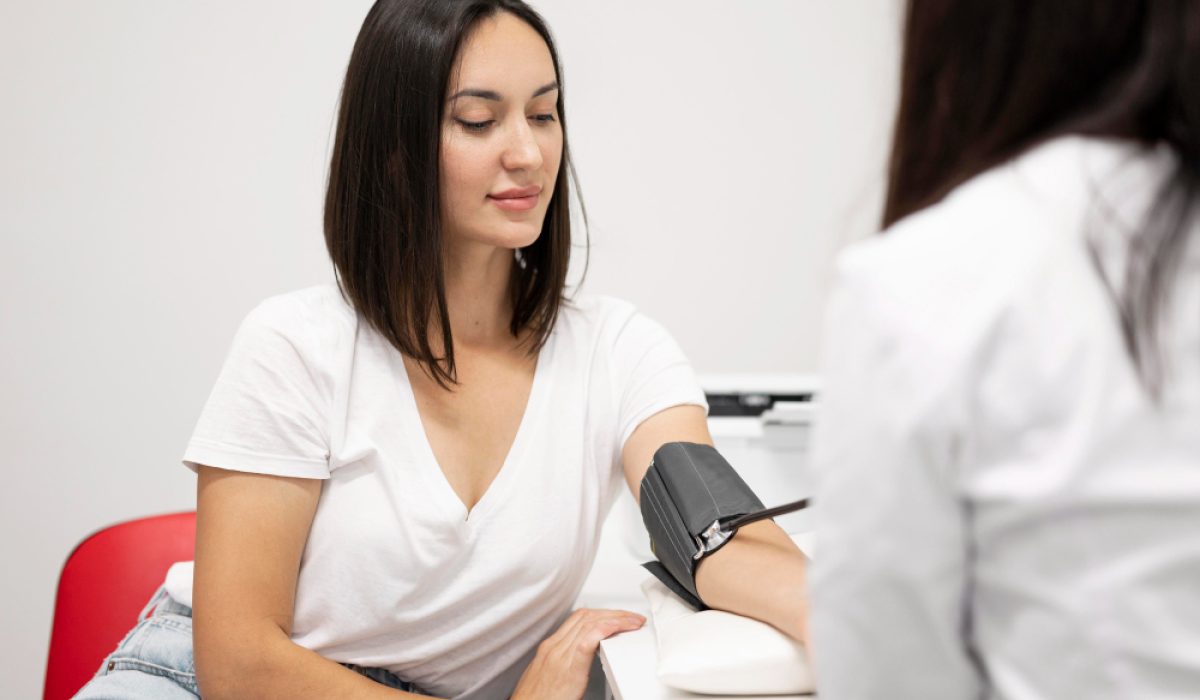
High blood pressure in new moms, also called postpartum hypertension, is a health condition that can happen after childbirth. It means the force of blood against your artery walls is higher than normal. While many people think high blood pressure only affects pregnant women, it can also appear after delivery. Because this can be serious, it is important to know the signs and how to manage it.
What is High Blood Pressure in New Moms?
After giving birth, some women develop high blood pressure. This is known as postpartum hypertension. Sometimes, it starts within a few days after delivery. In other cases, it may show up weeks later. Although it often goes away on its own, it can lead to health problems if not treated. According to the CDC, about 1 in 10 women may have high blood pressure after childbirth.
Common Symptoms
It is important to watch for symptoms of high blood pressure after childbirth. However, some women may not notice any signs. Still, you should look out for these common symptoms:
If you notice any of these, contact your doctor right away. Early treatment can help prevent serious problems.
Causes and Risk Factors
There are several reasons why new moms may develop high blood pressure. Some common causes and risk factors include:
Because these factors can raise your risk, it is important to share your health history with your doctor.
How is it Diagnosed?
Doctors check for high blood pressure in new moms by measuring blood pressure with a cuff. Usually, a reading of 140/90 mmHg or higher means you have high blood pressure. Sometimes, your doctor may order blood tests or urine tests. These help check for other problems, such as kidney issues. In some cases, you may need more frequent check-ups after delivery.
Treatment Options
Treating high blood pressure in new moms depends on how high your numbers are and your overall health. Your doctor may suggest:
With the right care, most women recover fully. However, you should always follow your doctor’s advice.
Lifestyle Tips for New Moms
Making healthy choices can help manage high blood pressure. Here are some tips:
Even small changes can make a big difference in your health.
Prevention Strategies
Although you cannot control every risk factor, you can lower your chances of high blood pressure after childbirth. To help prevent it:
Because prevention is key, talk to your doctor about your risks before and after delivery.
When to Seek Medical Help
If you notice any symptoms of high blood pressure after childbirth, seek medical help right away. These include severe headache, vision changes, chest pain, or swelling. Early treatment can prevent serious problems, such as stroke or organ damage. Never ignore warning signs, even if you feel fine otherwise.
If you have questions or notice symptoms of high blood pressure after childbirth, consult a healthcare provider for personalized advice.